The Benefits of Gardening with Children
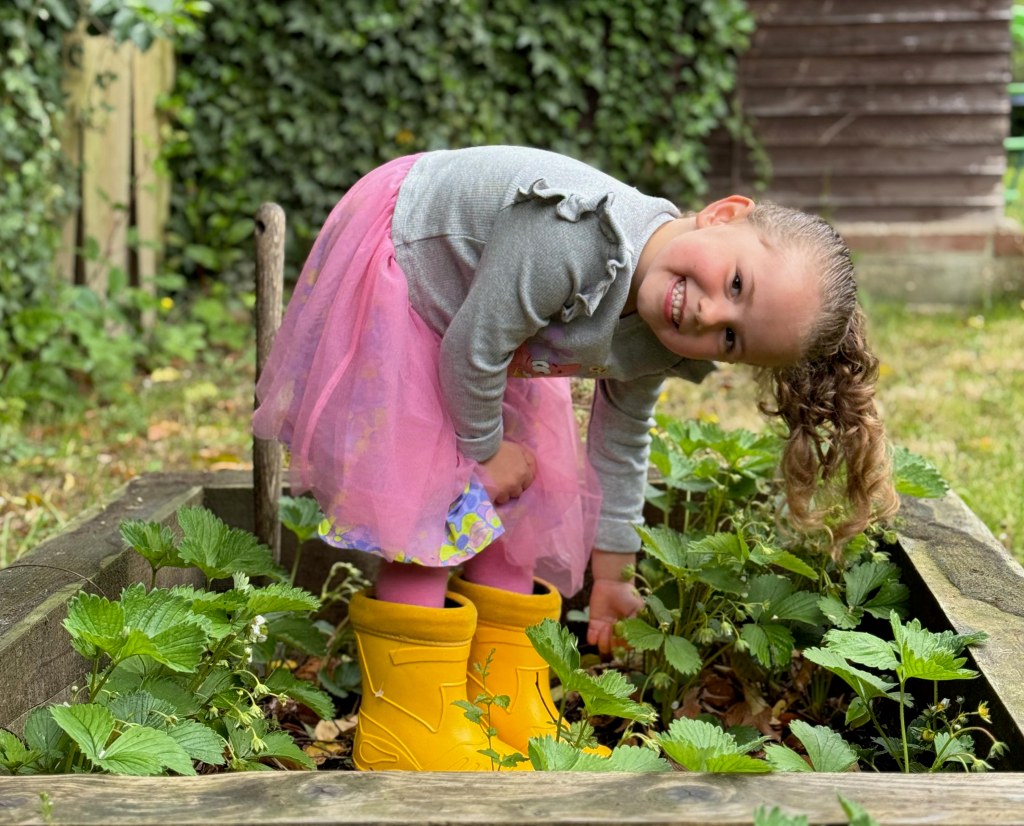
In today’s fast-paced, screen-filled world, gardening offers a much-needed return to the simple and the real. Getting your hands in the soil, feeling the sun on your back, and watching life grow—these are experiences that not only benefit adults but are incredibly enriching for children. Whether you’ve got acres of land or a single windowsill, gardening with children brings far more than plants to life.
1. Nurtures Responsibility and Patience
Plants don’t grow overnight. Children learn that good things take time—and care. From watering seeds daily to checking for weeds or pests, each small act of responsibility builds habits that last a lifetime.
2. Boosts Mental and Emotional Wellbeing
Gardening calms the mind and lifts the mood. The sensory experience—smelling herbs, feeling damp soil, watching insects at work—grounds children in the present moment and relieves stress. It’s mindfulness in its most natural form.
3. Encourages Physical Activity
Digging, lifting, raking, watering—gardening gets kids moving and builds strength and coordination. It also keeps them engaged outdoors and away from screens, in the best possible way.
4. Develops Scientific Thinking
Gardening is a hands-on science lab. Children learn about plant life cycles, weather patterns, pollination, and ecosystems just by asking questions and observing what happens. It sparks curiosity and supports classroom learning.
5. Builds Connection and Communication
Whether gardening with parents, teachers, or siblings, children learn teamwork and communication. Tasks must be shared, plans agreed upon, and successes (and failures!) celebrated together.
6. Fosters a Love for Nature
Growing a flower or a vegetable helps children see nature not just as “the outdoors,” but as something alive, interconnected, and worth caring for. It nurtures environmental awareness in the most organic way.
Realistic Gardening Activities for Children
For ages 3–6 (Early Years):
- Plant cress or mustard seeds in eggshells or yoghurt pots on the windowsill.
- Decorate plant pots with paint or stickers.
- Water plants (with a child-sized watering can or a hose).
- Hunt for worms or insects while digging.
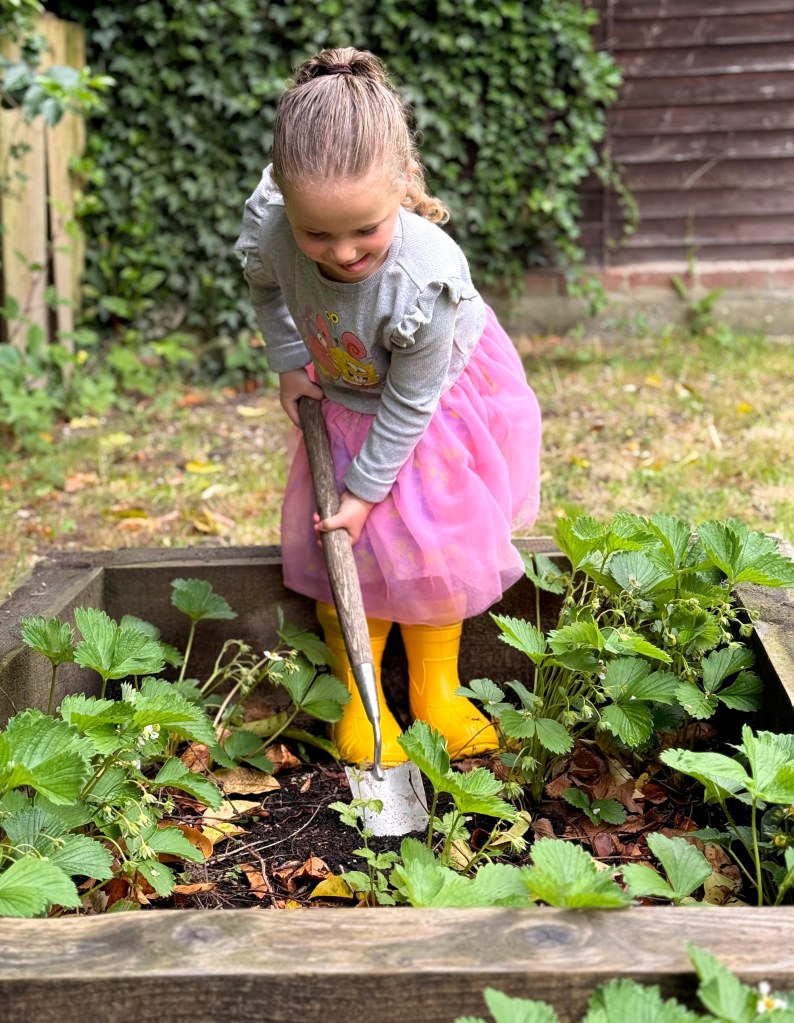
- Plant shoots or seeds (with a little help).
For ages 7–11 (Primary):
- Grow fast crops like radishes, sunflowers, or strawberries.
- Build a mini compost heap or wormery.
- Design and label a garden plan.
- Track growth in a simple garden journal.
- Mow the lawn or weed beds.

For ages 12+ (Secondary):
- Start a square-foot garden or raised bed.
- Prune or cut back bushes (with manual equipment).
- Research pollinators and plant flowers to attract bees.
- Help build a cold frame or simple greenhouse from bottles.
- Harvest and cook with their produce (e.g. herbs, lettuce, carrots).

Final Thoughts
Gardening with children doesn’t require a lot of space or skill—just a willingness to dig in and grow together. Whether you’re planting a forest or a pot of parsley, the seeds you sow in their hearts will outlast any harvest.






 Healthy Kids
Leave a comment